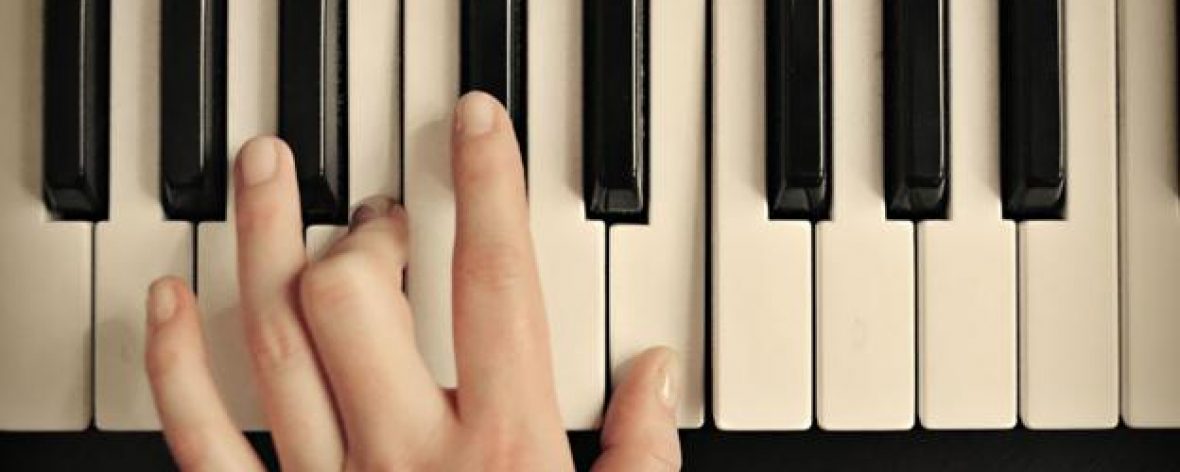
Practice should reflect age and level. Five to ten minutes of practice at a time for a very young beginner is usually good. For those starting out regardless of age, five to ten minutes per day, moving to two sessions per day of that duration, is recommended to gradually build both concentration and engagement.
Category: Piano teaching
The power of “yet”
Those of us who teach and play ourselves understand that music requires commitment in the form of consistent, focused practising. This does not mean a snatched half-hour here or there or a blitz the night before the weekly piano lesson, but regular engagement with the instrument and its literature (at least 5 days out of… Continue reading The power of “yet”
Technique without tears
Technique lies at the foundation of piano playing, and good technique can serve the beginner student right through to advanced level.
Introducing ‘Piano Teachers’ Hour’ on Twitter
Guest post by Barbara Kennedy When I made the switch to piano teaching, following a career in administration, one of the biggest surprises was that I missed the face-to-face interaction with colleagues. I had not anticipated just how isolating piano teaching could be. I now see around 35 students (and families) a week and I… Continue reading Introducing ‘Piano Teachers’ Hour’ on Twitter
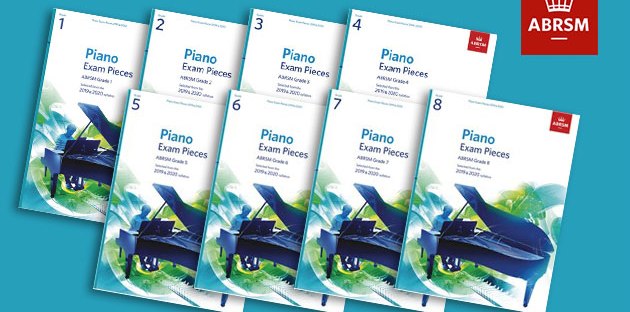
New ABRSM piano syllabus released
With this new syllabus, the ABRSM has sought to remain true to its core strength of offering a syllabus which combines rigour with a selection of music to appeal to a wide range of students around the world
‘Under the Rowan Tree’ by Robert Peate
Following in the footsteps of Robert Schumann, Bela Bartok and Dmitri Kabalevsky, British composer Robert Peate has created a delightful collection of piano miniatures for children. Like Bartok's For Children and his Mikrokosmos, Peate's pieces are both imaginative and educational, and range in difficulty from very easy (pre-Grade 1) to more challenging (cGrade 3/4). The… Continue reading ‘Under the Rowan Tree’ by Robert Peate
The Three H’s of Practicing
On the most basic level, we practice to get better, to become proficient, to ensure we never play a wrong note. However, productive practising should never just be mindless “note bashing”. As pianist and renowned teacher Seymour Bernstein says in his excellent book ‘With Your Own Two Hands’, “productive practising puts you in touch with… Continue reading The Three H’s of Practicing
Teaching notes for the new ABRSM piano syllabus
I am delighted to be a contributor to the teaching notes accompanying the new ABRSM piano syllabus, to be released early next month. The Teaching Notes, which are produced to accompany each syllabus, offer guidance on all the pieces in the syllabus and each note is divided into three areas of learning/teaching: Musical Context, Technical… Continue reading Teaching notes for the new ABRSM piano syllabus
Exam-obsessed?
The longer I teach (over 11 years at the time of writing), the more anti-exams I have become. For many - teachers, students and parents - exams are the visible benchmarks of progress, not just in music but in education in general. Children and young people are constantly tested, almost from the moment they enter… Continue reading Exam-obsessed?
Inspiration comes from unusual places
Meet Ant Middleton - the rather formidable-looking 37-year-old Special Forces veteran (he has served tours in Northern Ireland and Afghanistan, and time in the Marines), presenter of TV shows SAS: Who Dares Wins, Mutiny and Escape. Why on earth might I draw inspiration from this former soldier whose life and work seem very far divorced… Continue reading Inspiration comes from unusual places
 A Piano Teacher Writes...